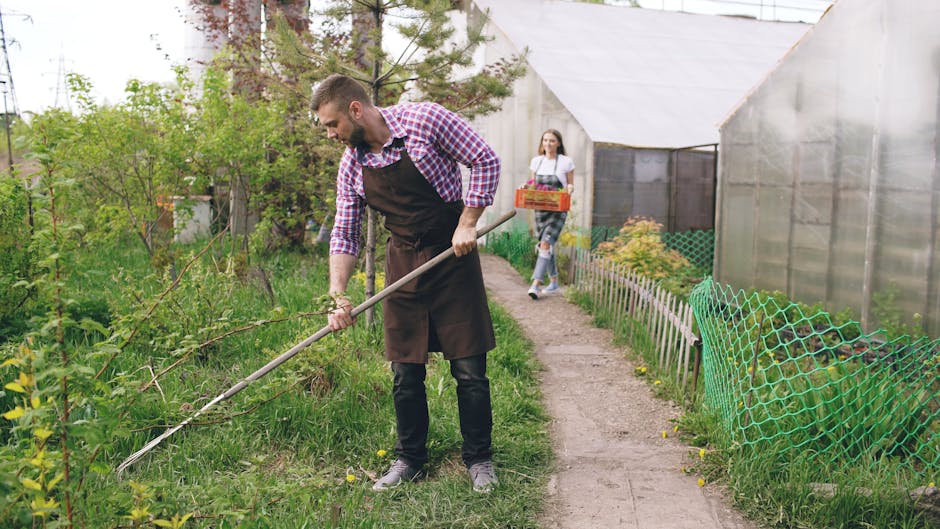
Common mistakes when hiring gardeners avoid costly problems
Hiring a gardener sounds simple enough. You want the lawn cut, the hedge shaped, maybe a tired border revived, and ideally you want it done properly the first time. But the real headache often starts before the first spade goes in the soil. The most expensive gardening jobs usually go wrong because of small hiring mistakes: vague quotes, unclear scope, poor communication, or choosing the cheapest option without asking the right questions.
This guide on common mistakes when hiring gardeners avoid costly problems is built to help you make a calmer, smarter decision. Whether you need routine upkeep, a one-off tidy-up, or a bigger outdoor project, knowing what to watch for can save money, time, and a fair bit of stress. Let's face it, a garden should be a pleasure, not a lesson in hidden fees.
Below, you'll find practical advice on what good hiring looks like, where people get caught out, and how to compare gardeners in a way that feels sensible rather than overwhelming.
Contents
- Why this matters
- How the hiring process works
- Key benefits of hiring well
- Who this is for
- Step-by-step guidance
- Expert tips
- Common mistakes to avoid
- Tools and resources
- Law, compliance and best practice
- Options and comparison
- Real-world example
- Practical checklist
- Conclusion
- Frequently asked questions
Why Common mistakes when hiring gardeners avoid costly problems Matters
Gardening work can look straightforward from the outside, but the outcome depends on a lot more than turning up with a mower. A gardener may be handling sharp tools, waste removal, soil preparation, pruning, access issues, weather delays, and plant-specific decisions all in one visit. If the hiring stage is rushed, the result can be messy at best and expensive at worst.
The phrase common mistakes when hiring gardeners avoid costly problems really means this: the wrong hire often creates knock-on costs. You might need a second visit to fix poor cutting, replace damaged plants, clear missed waste, or redo work that should have lasted longer in the first place. Even a neat-looking job can hide problems if the gardener has not understood the brief.
In practical terms, the risk is not just overspending. It is also about disappointment, poor communication, and gardens that never quite recover. If you are hiring for a front garden that people see every day, or a larger back garden where access is awkward and jobs build on one another, the stakes are even higher.
Expert summary: The safest way to hire a gardener is to define the job clearly, compare like for like, ask about insurance and waste handling, and check whether the gardener has experience with the exact type of work you need.
How Common mistakes when hiring gardeners avoid costly problems Works
Good hiring starts with clarity. Before you speak to anyone, work out what needs doing now, what can wait, and what success looks like. A one-off garden clearance is very different from ongoing garden maintenance. And a simple hedge trim is not the same as a full redesign or structural landscaping job.
Most gardening services follow a similar pattern: initial enquiry, site visit or description-based quote, scope agreement, scheduling, execution, and then any follow-up. Trouble starts when one of those steps is fuzzy. For example, if "tidy the garden" means cutting back shrubs, removing green waste, weeding beds, and edging the lawn in your mind, but only mowing and basic strimming in theirs, you are almost guaranteed to end up frustrated.
You should also expect a decent gardener to ask questions. What access is available? Is there parking? Do they need power or water? Are there pets on site? Is waste to be taken away or left for your bin collection? These are not fussy details. They shape the real cost and the actual work involved.
For larger or more technical jobs, the process may branch into specialist services such as landscaping, landscape gardening, decking services, or even tree lopping and removal. In those cases, you need a provider who understands scope, safety, and sequencing, not just basic tidying.
Key Benefits and Practical Advantages
Hiring carefully does more than reduce mistakes. It makes the whole job feel easier. You know what is happening, when it is happening, and what you are paying for. That alone takes a lot of pressure off.
- Better value: a clear brief reduces rework, so you are not paying twice for the same task.
- Cleaner results: the right gardener brings the right approach for the garden's size, condition, and season.
- Less disruption: punctual, organised work means less mess, fewer surprises, and less back-and-forth.
- Safer work: proper risk awareness matters for ladders, tools, steep slopes, overgrown areas, and tree work.
- Longer-lasting results: a good gardener will not just cut, trim, and go; they will help keep the garden healthier over time.
There is also a practical benefit people overlook: a well-chosen gardener often spots issues early. A hedge that is diseased, turf that is struggling, or drainage that is causing a patch of soggy ground can all be flagged before they become bigger and more expensive.
Truth be told, many garden problems are cheaper to prevent than to repair. That sounds obvious, but it is often ignored until the invoice arrives. And by then, well, the moment has passed.
Who This Is For and When It Makes Sense
This advice is for homeowners, landlords, letting agents, property managers, and anyone else who needs outdoor space kept in proper shape. It is especially useful if you are hiring for the first time, or if you have had a mixed experience before and do not want a repeat.
It makes particular sense in these situations:
- You need regular grass cutting, edging, or seasonal tidy-ups.
- You have a neglected garden and need a one-off clearance.
- You are preparing a property for sale, rent, or a family event.
- You need hedge work, pruning, or removal of larger waste.
- You are considering bigger garden improvements such as paving, beds, or new features.
If your garden has just become too much to manage yourself, you are not alone. A lot of people reach the same point after a busy winter, a stretch of bad weather, or just life getting in the way. There is no shame in that. The key is hiring in a way that avoids creating extra work for yourself later.
Step-by-Step Guidance
1. Define the job in plain English
Start with a simple list: what needs to be done, what the garden looks like now, and what outcome you want. Avoid fuzzy phrases like "make it nice" unless you also explain what that means. A tidy border, a level lawn, and cleared pathways are much easier to quote for than a vague wish.
2. Split urgent work from optional work
Not everything needs doing at once. A good gardener can help you stage the work sensibly, especially if budget is limited. For example, you might prioritise clearance and mowing now, then tackle hedge trimming or planting later.
3. Ask what is included
This is where many costly misunderstandings begin. Does the price include waste removal? Does it cover tools and fuel? Is digging included? What about heavy lifting, disposal bags, or a second visit if the weather interrupts the job?
4. Check experience with similar work
Someone who is brilliant at regular lawn mowing may not be the right choice for overgrown plots, awkward access, or jobs that involve removing a lot of debris. If the work is more involved, ask whether they have handled similar gardens before.
5. Compare written quotes fairly
Do not compare only the total price. Compare what each quote actually includes. One may seem cheaper but exclude waste, while another may include more labour, materials, or cleanup. A proper comparison saves money in the real world, not just on paper.
6. Confirm scheduling and communication
Agree how updates will happen. Text, email, phone call, whatever works. If the gardener says they will arrive "sometime Thursday", that is not a plan. It is a shrug. You want enough structure to know when your day will be disrupted and when the job will be finished.
7. Put the main points in writing
Even a short written summary helps: scope, date, price, waste handling, and any special instructions. It does not need to be formal. It just needs to be clear.
Expert Tips for Better Results
In our experience, the best gardening jobs happen when the customer thinks like a project manager for ten minutes, not a perfectionist for three hours. Small amounts of preparation make a real difference.
- Photograph the garden before asking for a quote. This helps avoid confusion about scale and condition.
- Measure large spaces roughly. Even basic measurements can improve quote accuracy.
- Be honest about access. Narrow side passages, locked gates, or steps can affect time and labour.
- Ask about waste handling early. Green waste is one of the most common hidden costs.
- Choose based on fit, not just price. The cheapest quote is not a bargain if the work needs redoing.
A small but useful tip: if you want ongoing help, start with a one-off visit before committing to repeated work. You will quickly see whether the gardener communicates well, respects the property, and leaves the site properly cleared. Simple, but effective.
Another thing: if the garden involves boundary hedges, trees, or awkward height work, ask whether the job falls under a more specialised service. For instance, hedge shaping is a different skill from hedge trimming, and tree work should be approached much more cautiously than normal pruning. No need to be dramatic about it, just sensible.
Common Mistakes to Avoid
Choosing only on price
The biggest mistake is often the simplest one. A cheap quote can be tempting, especially if the garden looks like a before-and-after television special. But if the quote leaves out waste removal, cleanup, or proper time for the work, you may end up paying more later.
Not checking what "gardening" actually means
Some people use "gardener" as a catch-all term, but the actual work can vary hugely. One person may specialise in routine upkeep. Another may be better suited to garden clearance or landscaping. Always match the person to the job.
Skipping the conversation about insurance and safety
For basic tasks this may feel like overkill, but it is not. If someone is using equipment on your property, lifting heavy waste, or working around trees, you want reassurance that they take safety seriously. A reputable provider should be able to explain their approach clearly, without making it sound like a legal lecture.
Giving a vague brief
"Can you sort the garden out?" is a classic. And yes, it usually ends badly. Be specific about the areas involved, what needs removing, what stays, and whether you want a neat finish or a more substantial transformation.
Ignoring seasonal timing
Spring and early summer are busy periods for many gardeners. If you wait until the last minute, you may have fewer choices and less flexibility. On the other hand, winter is often a better time to plan bigger projects, especially if the garden needs redesigning or structural changes.
Forgetting about ongoing care
A garden can look great for a week and then drift back if there is no follow-up. If you want long-term results, think beyond the first visit. This is where scheduled maintenance becomes much more cost-effective than ad hoc rescue work.
Not asking about disposal and recycling
Waste is part of the job. If branches, soil, turf, or clippings are being removed, ask where they go. Some customers want everything taken away; others prefer materials to be sorted sensibly. If sustainability matters to you, ask how the gardener handles recycling and green waste. It is a fair question.
Tools, Resources and Recommendations
You do not need a toolbox full of specialist gear to hire well. What you do need is a few simple comparison tools and a clear head. Nothing fancy.
- A written brief: one page is enough if it is specific.
- Photos: especially useful for overgrown gardens or awkward access.
- Simple measurements: approximate size, number of beds, hedge length, or lawn area.
- A checklist of questions: scope, timing, waste, insurance, and follow-up.
- Budget range: helpful for separating essential work from nice-to-have extras.
If you are looking for related services, it helps to understand how they differ. Heavy overgrowth often needs garden clearance before maintenance can begin. Outdoor redesign may sit under landscape gardening or broader landscaping. If your project includes timber features or seating areas, decking services may come into play too.
For those who prefer to know more about the business behind the work, you can also review the company's about us page, browse pricing and quotes, or check practical policies such as insurance and safety and health and safety policy. That sort of detail matters more than people think.
Law, Compliance, Standards, or Best Practice
Gardeners and landscaping contractors in the UK do not all work in exactly the same way, but there are some sensible expectations worth checking. You are not being difficult by asking about them. You are being careful.
For example, if the job involves tree work, height work, machinery, or waste removal, you should expect safe working practices and appropriate handling procedures. If someone will be on your property with tools and vehicles, they should be able to explain their process in plain language. If they are using subcontractors, that should also be transparent.
Best practice usually includes:
- clear written scope and price;
- reasonable site assessment before work begins;
- safe use of tools and equipment;
- proper disposal or recycling of garden waste;
- respect for neighbouring properties and access routes;
- transparent complaint handling if something goes wrong.
If you care about environmental impact, it is also worth asking about green waste handling and sustainability. A provider who thinks about recycling, reuse, and responsible disposal often brings that same care to the rest of the job. You can see that kind of approach reflected in a dedicated recycling and sustainability page.
And yes, written terms matter too. They may sound dry, but they help both sides understand cancellation, payment, and responsibilities. That is not boring, that is protective.
Options, Methods, or Comparison Table
If you are unsure which type of gardening help to book, the table below gives a simple way to think about it. It is not exhaustive, but it is a good starting point.
| Type of help | Best for | Typical risk if chosen badly | What to ask |
|---|---|---|---|
| Regular maintenance | Lawns, borders, hedge shaping, seasonal upkeep | Garden becomes untidy again quickly | What is included each visit? |
| Garden clearance | Overgrown, neglected, or sold/rented properties | Hidden waste costs and incomplete clearance | Will all waste be removed? |
| Landscaping | Structural changes, patios, new layouts, hard surfaces | Poor planning or costly rework | Do you handle design and installation? |
| Tree and hedge work | Boundary control, light, safety, access | Damage, regrowth issues, or unsafe cutting | What qualifications or experience do you have? |
| One-off tidy-up | Quick refresh before guests, sale, or season change | Looks good briefly but lacks long-term plan | What happens after the first visit? |
If your garden has a lot of small tasks that keep being postponed, a maintenance plan is often easier to live with than repeated emergency bookings. If the space is completely out of hand, a clearance-first approach usually makes more sense. The right sequence matters. Quite a lot, actually.
Case Study or Real-World Example
A typical example: a homeowner calls in a gardener for what they describe as a "quick tidy-up" after a wet winter. The garden is small, but it has a dense back corner, a hedge that has shot up, a lawn with long grass, and several bags of cuttings from previous DIY attempts.
One quote comes back low and looks attractive. But the quote only covers mowing and basic trimming. It does not include waste removal, hedge shaping, or clearing the back corner. The job begins, and then the surprises start. Extra labour. Extra bags. More time. The price grows.
A better outcome comes from a clearer brief. The homeowner sends photos, explains that the garden needs a full reset, and asks for a quote that includes clearance, hedge work, mowing, and removal of all green waste. The price is higher at first glance, but it is honest. The work is completed in one visit, the garden feels usable again, and nobody is trying to negotiate in the driveway while clippings sit in a heap.
That is the difference good hiring makes. Not magic. Just clarity, and a bit of patience.
Practical Checklist
Use this checklist before you confirm a gardener:
- Have I clearly described the job and the outcome I want?
- Have I separated essential work from optional extras?
- Have I checked whether waste removal is included?
- Have I asked about experience with this type of garden?
- Do I know whether the work is routine, clearance, landscaping, or specialist tree/hedge work?
- Have I compared quotes on a like-for-like basis?
- Have I confirmed timing, access, and payment expectations?
- Have I checked practical trust signals such as insurance and safety?
- Have I asked how the garden will be left after the job?
- Do I have the agreement in writing, even if it is just a message or email?
If you can tick most of those boxes, you are in a much better position. Not perfect, perhaps, but solid. And solid is what saves money.
Conclusion
Hiring a gardener should make your life easier, not create a trail of extra costs and misunderstandings. The most common mistakes are usually avoidable: unclear briefs, rushed comparisons, weak communication, and ignoring waste or safety details. Once you learn to spot those patterns, the whole process becomes much calmer.
Whether you need simple upkeep, a one-off clearance, or something more involved, the smartest move is to define the job properly, compare quotes fairly, and choose a gardener who understands the work rather than just the appearance of it. That approach protects your budget, your time, and your garden's long-term health.
If you are ready to take the next step, review the service fit, check the practical details, and ask the awkward questions early. It is far easier to do that now than to sort out a mess later. A little care up front really does go a long way.
Get a free quote today and see how much you can save.
Frequently Asked Questions
What are the most common mistakes when hiring a gardener?
The biggest mistakes are choosing only on price, giving a vague brief, not asking what is included, and skipping questions about waste removal, access, or safety. Those gaps are where costs creep in.
How do I know if a gardener's quote is fair?
Compare the quote against the actual scope of work, not just the total. A fair quote should explain what is included, what is excluded, and whether waste disposal, tools, and follow-up visits are part of the price.
Should I always choose the cheapest gardener?
Not usually. The cheapest quote can be fine if the scope is identical, but very often it leaves something out. If the work needs redoing or extra waste removal is added later, cheap turns expensive pretty quickly.
What should I ask before hiring a gardener?
Ask what is included, how waste is handled, whether they have experience with similar gardens, whether they carry appropriate insurance, and how they manage timing and communication. Straightforward questions, but they matter.
Is it better to book one-off garden work or regular maintenance?
It depends on the garden. If the space keeps getting overgrown, regular garden maintenance is often better value. If the garden is neglected, a one-off clearance may be the sensible first step.
Do gardeners remove green waste as standard?
Not always. Some include removal, some charge extra, and some leave waste for the customer to dispose of. Always check before work begins, because waste is one of the easiest things to overlook.
What if my garden needs more than basic maintenance?
If the job involves redesign, hard landscaping, or bigger layout changes, you may need landscaping or landscape gardening rather than standard upkeep. Matching the job to the right service avoids a lot of frustration.
How can I avoid bad communication with a gardener?
Be specific, use photos where helpful, and agree the main points in writing. If something is unclear before the job starts, it will be even more unclear after the first hour of work.
Do I need to worry about insurance and safety?
Yes, especially for larger jobs, tree work, or anything involving ladders, machinery, or heavy lifting. You do not need a legal lecture from the gardener, just a clear explanation of how they work safely.
What is the best way to prepare for a gardener's visit?
Clear access, move fragile items, note any locked gates or pets, and make sure the brief is up to date. A tidy start makes for a better finish. It really does.
How do I know whether I need hedge trimming or tree work?
If the job is simply shaping or reducing boundary growth, hedge trimming may be enough. If branches are large, high, or affecting safety or structure, the work may fall under tree lopping and removal instead.
Where can I check the company's practical policies?
You can review helpful pages such as insurance and safety, health and safety policy, complaints procedure, and payment and security to get a better sense of how the business operates.
When should I ask for a quote?
As soon as you know the scope, even if it is only rough at first. If the job is urgent, send photos and a short description straight away. The earlier the quote, the easier it is to avoid rushed decisions and surprise costs.
For more details about service options or next steps, it can also help to look at contact options, the pricing and quotes information, and the business background on the about us page.
Sometimes the best garden decisions are the quiet ones: clear brief, fair price, decent communication, done properly. That is usually enough.