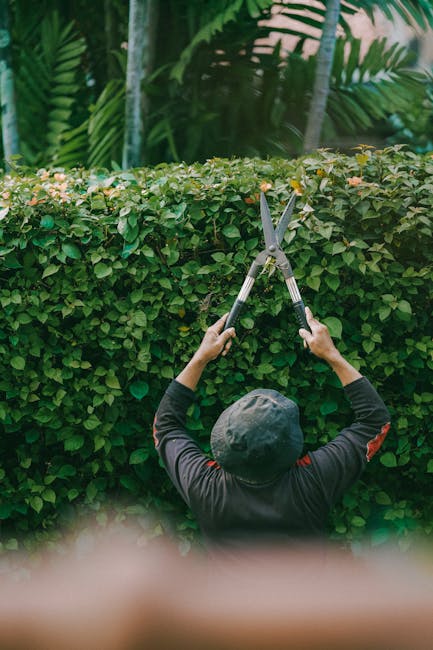
Essential spring planting guide for gardeners across the UK
Spring in the UK can feel like a slow door opening. One week the soil is cold and stubborn, the next you catch that soft April brightness and suddenly everything seems possible. That is exactly why an Essential spring planting guide for gardeners across the UK matters: it helps you plant at the right time, in the right way, for your local weather and soil, rather than chasing the calendar and hoping for the best.
Truth be told, spring gardening here is never one-size-fits-all. A sheltered London patio behaves differently from a windy plot in Yorkshire, and a damp Scottish border can lag a couple of weeks behind a mild southern garden. This guide walks you through what to plant, when to plant it, how to prepare your soil, and how to avoid the common traps that leave even experienced gardeners muttering at the weather. A bit annoying, yes. But manageable.
Along the way, you will find practical tips, a comparison table, a checklist, and a realistic example from an everyday UK garden. If you need broader help with your garden setup, you can also explore more about our gardening approach, check pricing and quotes, or read our recycling and sustainability guidance if you are clearing old pots, prunings, or spent compost.
Let's get into it.
Table of Contents
- Why Essential spring planting guide for gardeners across the UK Matters
- How Essential spring planting guide for gardeners across the UK Works
- Key Benefits and Practical Advantages
- Who This Is For and When It Makes Sense
- Step-by-Step Guidance
- Expert Tips for Better Results
- Common Mistakes to Avoid
- Tools, Resources and Recommendations
- Law, Compliance, Standards, or Best Practice
- Options, Methods, or Comparison Table
- Case Study or Real-World Example
- Practical Checklist
- Conclusion
- Frequently Asked Questions
Why Essential spring planting guide for gardeners across the UK Matters
Spring is the main launch window for a lot of UK gardens. The soil is warming, daylight is stretching out, and plants start pushing upward with a kind of impatient energy. Plant too early and tender seedlings may stall or rot. Plant too late and you lose valuable growing time, especially for crops that need a long season. So the timing really does matter.
There is another reason this matters across the UK specifically: the weather is genuinely variable. A sunny spell in March can be followed by a cold snap, wet ground, and a bitter east wind that makes everything look six weeks younger than it should. Gardeners who work with those conditions, instead of pretending they do not exist, tend to get better results.
This guide is useful whether you are growing vegetables, bedding plants, herbs, or a mixed border. It helps you make sensible decisions based on soil temperature, frost risk, drainage, exposure, and the plant's own needs. That last part is often overlooked. Some plants are happy to tough it out; others want protection, patience, and a bit of shade from the wind.
Spring planting also influences the whole year ahead. A strong start gives young roots time to establish before summer heat or dry spells arrive. In many gardens, that early foundation is the difference between plants that merely survive and plants that actually settle in.
Practical takeaway: in spring, the best gardeners are not the fastest gardeners. They are the ones who read the ground, watch the weather, and plant with a little restraint.
How Essential spring planting guide for gardeners across the UK Works
The basic idea is simple: match the right plant to the right conditions at the right time. In practice, that means looking at three things before you put anything in the ground.
- Weather window: Is frost still likely in your area?
- Soil condition: Is the soil workable, not frozen, waterlogged, or sticky like clay paste?
- Plant type: Is it hardy, half-hardy, or tender?
Hardy plants can usually cope with cooler nights and light frost. Half-hardy plants need a bit more care. Tender plants want warmth and should generally wait until the risk of frost has passed, or be protected under cover. Simple enough, but people still get caught out every year because one warm week in April can feel like an invitation to plant everything. It isn't. Not quite.
Spring planting also works differently depending on whether you are sowing seeds, planting plugs, or setting out container-grown shrubs and perennials. Seeds need fine soil contact and steady moisture. Young plants need a gentle transition from pot to border. Established plants need room, compost, and regular watering while roots spread.
For larger projects, such as reworking a whole border or refreshing a tired front garden, it can help to plan the jobs in stages. If you need support with the work itself, the team information on health and safety policy and insurance and safety can be useful to read through before any bigger outdoor work begins.
Key Benefits and Practical Advantages
A well-timed spring planting plan does more than fill beds. It saves effort later. That is the quiet benefit people notice after a season or two.
- Stronger establishment: roots can settle before summer stress arrives.
- Better yields: vegetables and herbs get a full growing season where possible.
- Less waste: fewer failed plants, fewer emergency replacements, less money thrown away.
- Improved structure: spring is ideal for refreshing borders and filling gaps left by winter damage.
- More resilient gardens: plants chosen for local conditions usually need less rescue work later on.
There is also a confidence boost, which sounds fluffy until you have seen it happen. Once a gardener learns what should go in when, spring stops feeling like a scramble and starts feeling like a rhythm. You notice things earlier. Buds, soil texture, a cold patch under the fence, the first blackbirds at dawn. Small signals, but useful ones.
Another advantage is that spring planting gives you flexibility. You can choose to start small, perhaps with salad crops and a few hardy perennials, or go bigger with patio containers, annual flowers, and a refreshed vegetable patch. Both routes work. The trick is knowing what suits your site and your time.
Who This Is For and When It Makes Sense
This guide is for anyone gardening in the UK who wants better spring results without overcomplicating things. That includes complete beginners, busy household gardeners, allotment growers, and people returning to gardening after a winter break.
It makes sense if you are:
- starting a vegetable patch in a new garden
- refreshing borders after winter
- trying to grow from seed for the first time
- choosing plants for a patio, balcony, or small urban garden
- recovering a garden that has become patchy or tired
- wanting to plant with more confidence around UK frost dates
In London and the South East, some gardeners can begin a little earlier than people in cooler inland or northern areas, especially in sheltered back gardens or urban courtyards. In exposed rural gardens, though, the season can be slower and fussier. Why force it? A few extra days can make the difference between a healthy start and a setback that lingers for weeks.
If you are planning a larger seasonal tidy-up alongside planting, you may also want to look at contact us to discuss the work, or review terms and conditions if you are comparing service arrangements.
Step-by-Step Guidance
Here is a practical spring planting process that works well in most UK gardens. It is not fancy. It just works.
1. Read the site before you buy anything
Walk the garden in the morning and again later in the day if you can. Notice where frost lingers, where the wind hits hardest, and which patches dry out quickly. That one-minute observation saves a lot of disappointment later.
2. Test the soil by feel, not guesswork alone
Take a handful of soil. If it crumbles easily, it is likely workable. If it smears into a shiny ribbon, especially in clay-heavy gardens, it may still be too wet. If it is dusty and lifeless, you may need to water and improve moisture retention before planting. Soil should feel alive, not plastic.
3. Clear weeds and winter debris
Remove weeds while they are small and shallow rooted. Pick out fallen leaves, broken stems, and old mulch that has gone sour. This creates a cleaner start and reduces competition for water and nutrients. If you are disposing of a lot of organic material, a sustainability-minded approach helps; see recycling and sustainability for sensible ways to think about green waste.
4. Improve the soil gently
Spring is a good time to add organic matter such as compost or well-rotted manure to beds, but do not overwork the soil. A light fork-through is usually better than turning everything upside down. In most gardens, especially older ones, structure matters as much as fertility.
5. Choose plants by frost sensitivity
Divide your planting list into hardy, half-hardy, and tender. Hardy vegetables like broad beans or some brassicas can usually go earlier. More tender crops, such as tomatoes or courgettes, are best held back until nights are reliably milder or protected indoors first.
6. Start seeds with realistic expectations
Seed packets can make everything look neat and easy. In real life, seed sowing takes patience. Sow at the right depth, keep compost moist but not soggy, and thin seedlings before they become crowded. Overcrowding is a classic rookie error, and to be fair, an easy one to make.
7. Plant out carefully
Harden off indoor-grown seedlings before planting out. That means gradually exposing them to outdoor conditions over several days. If you skip that step, the shock can be obvious: sun scorch, limp leaves, slow growth. Put plants in their final positions, water them in well, and mulch if the weather is dry.
8. Water with intention
New plants need regular watering at root level. A light sprinkle on top can look helpful, but it often does very little. Water deeply and less often, unless the weather is very dry. Early morning is usually best, though in real life you sometimes water whenever you can between work, tea, and the school run. Gardening rarely gets ideal conditions, does it?
9. Watch and adjust
Check plants over the next couple of weeks. If they are flopping, yellowing, or sitting still, something needs adjusting: drainage, shelter, watering, or spacing. Spring planting is not just a one-day job. It is a relationship with the garden, a bit of a long one.
Expert Tips for Better Results
Small refinements make a big difference in spring.
- Use microclimates: a south-facing wall, sheltered fence line, or warm patio can give you a useful head start.
- Plant in groups: clusters of the same plant look better and usually perform better than scattered singles.
- Do not rush tender plants: a few warm days are not the same as settled warmth.
- Mulch early, but not too thick: a moderate layer helps retain moisture and suppress weeds.
- Label everything: especially when sowing several varieties. In a week, it all looks suspiciously similar.
One of the best habits is keeping a simple planting note. Nothing elaborate. Just the date, what you planted, and any weather quirks. Next spring, you will be grateful. Gardening memory is funny like that; it remembers the lovely bits and forgets the useful ones.
Another practical tip: stagger your sowing. Instead of planting all your salad or radish seeds at once, sow a little every couple of weeks. That spreads risk and often gives you a longer, more usable harvest. It also avoids the usual "everything is ready now and nobody can possibly eat this much lettuce" situation.
Common Mistakes to Avoid
Spring mistakes are usually not dramatic. They are small, repeated, and quietly expensive.
- Planting too early: a mild day can be misleading if nights are still cold.
- Ignoring local conditions: your garden's microclimate matters more than a general UK weather rule.
- Poor spacing: cramped plants compete for light and airflow, which can lead to weak growth and disease pressure.
- Overwatering: especially in heavy soil, where roots need air as much as moisture.
- Skipping hardening off: indoor-grown plants need a gradual transition outdoors.
- Planting into poor soil: if the bed is tired and compacted, new plants struggle from day one.
A common one is falling for the first sunny weekend and rushing everything out. We have all been tempted. The compost is ready, the spade is out, and the garden looks like it wants action. But a little restraint usually beats enthusiasm alone.
Tools, Resources and Recommendations
You do not need a shed full of gear to plant well in spring. A few reliable basics go a long way.
- hand trowel
- border fork or garden fork
- watering can with a fine rose
- labels and a weatherproof pen
- gloves that actually fit
- seed compost and general-purpose compost
- canes or supports for taller plants
- mulch such as garden compost or bark, depending on the bed
If you are doing a larger seasonal refresh, it may also be worth thinking about the practical side of the work: access, disposal, safety, and budget. For service-related information, pricing and quotes gives a useful starting point, while payment and security helps reassure anyone booking online. If you have accessibility needs or want to understand how the site is designed to support different users, see the accessibility statement.
For transparency and peace of mind, it is also sensible to review the privacy policy, cookie policy, and complaints procedure if you are engaging with any gardening service and want to know how things are handled. Not exciting reading, perhaps, but useful. Very useful, actually.
Law, Compliance, Standards, or Best Practice
For most home gardeners, spring planting is guided more by best practice than by strict rules. Still, there are a few sensible standards to keep in mind, especially if you are using a professional gardener or contractor.
First, follow good horticultural practice around plant health, safe tool use, and responsible waste handling. That means checking how green waste is managed, avoiding contamination between diseased and healthy material, and using suitable protective equipment when needed. If machinery, ladders, or heavier clearance work are involved, safety should never be an afterthought.
Second, if you are hiring help, it is reasonable to expect clarity around insurance, site safety, and the scope of work. A good provider should be open about how they work and what happens if conditions change. That is just common sense, really.
Third, environmentally responsible gardening matters more each year. Composting where appropriate, reusing pots, and reducing unnecessary waste are all good practice. If sustainability is important to you, the company's recycling and sustainability page is worth a look.
Finally, if you are booking work or discussing a garden project, check the business information pages that explain responsibilities clearly. It helps set expectations from the start, which saves awkwardness later.
Options, Methods, or Comparison Table
Different spring planting methods suit different gardens. Here is a quick comparison to help you decide what fits your space and your patience level.
| Method | Best for | Pros | Trade-offs |
|---|---|---|---|
| Direct sowing | Hardy vegetables, quick annuals, simple borders | Low cost, simple, less transplant shock | Weather risk, uneven germination, thinning needed |
| Indoor seed starting | Tender crops, longer-season plants, early colour | Earlier start, better control, useful in cooler areas | Needs space, light, and careful hardening off |
| Planting plugs or young plants | Busy gardeners, faster results, small gardens | Reliable, less fiddly, instant structure | More expensive than seed, still needs watering |
| Container planting | Patios, balconies, awkward spots | Flexible, movable, easy to shelter | Dries out quickly, needs regular feeding |
If you want the simplest route, young plants in containers or prepared beds are often the easiest win. If you want the most control, indoor sowing is excellent. If you want the most satisfying surprise, direct sowing can be brilliant. A bit unpredictable, but brilliant.
Case Study or Real-World Example
Here is a realistic spring scenario from a typical UK garden. A family in a semi-sheltered South London back garden wanted to refresh a narrow border, start a few vegetable pots, and add colour near the patio. The garden had decent light, but the soil was compacted and dried out quickly near the fence.
Rather than planting everything at once, they split the work into three stages. First, they cleared the border, added compost, and improved drainage where the soil had gone hard. Next, they planted hardy perennials and a few spring-ready annuals to give instant structure. Finally, they held back the tender crops for pots that could be moved closer to the house on colder nights.
The result was not flashy, but it was effective. The border filled out steadily, the containers gave early colour, and the vegetables avoided the kind of cold shock that often wipes out enthusiastic April planting. The best part? They did not need to re-do half the work in May, which, let's face it, is always the dream.
That kind of phased approach works well for many UK gardens because it respects local conditions. It keeps the work manageable and reduces the risk of costly mistakes. Simple, steady, sensible.
Practical Checklist
Use this checklist before and during spring planting.
- Check the local frost outlook for the next week or two.
- Inspect soil moisture and texture before digging or sowing.
- Clear weeds, dead growth, and winter debris.
- Add compost or other organic matter where needed.
- Separate plants into hardy, half-hardy, and tender groups.
- Harden off seedlings before moving them outdoors.
- Plant at the correct depth and spacing.
- Water thoroughly after planting.
- Mulch exposed beds if conditions are dry.
- Label new sowings so you do not forget what is where.
- Review your planting after 7-14 days and adjust if needed.
Quick summary: prepare the soil, respect frost risk, start with the right plants, and give new growth a calm, well-watered launch. That is the heart of spring planting done properly.
Conclusion
The best spring gardens are rarely the result of a frantic weekend. They come from a few calm decisions made at the right time. Read your soil, respect the weather, choose plants that suit your conditions, and do not rush the tender stuff just because the sun has shown up for two days. That alone will save you a lot of hassle.
An Essential spring planting guide for gardeners across the UK is really about confidence. Once you know what to plant, when to plant it, and how to give it the right start, spring becomes less of a gamble and more of a rhythm you can work with. And that feels good. Better than good, actually. It feels like getting your garden back.
If you are planning a bigger garden refresh or want practical support with seasonal planting, maintenance, or a project quote, the next step is easy.
Get a free quote today and see how much you can save.
Frequently Asked Questions
When should I start spring planting in the UK?
It depends on your local weather and what you are planting. Hardy crops can often begin earlier, while tender plants are better held back until frost risk has eased. In sheltered southern gardens, planting can start a little sooner than in cooler northern or exposed areas.
What are the easiest plants to grow in spring?
For many gardeners, easy spring options include salad leaves, radishes, broad beans, hardy herbs, and reliable bedding plants. Container-grown perennials are also a sensible choice if you want quicker results with less fuss.
Can I plant in March in the UK?
Yes, but carefully. March is often suitable for hardy sowings, soil preparation, and early planting in milder areas. Tender plants are usually best left until later unless you can protect them from cold nights.
What vegetables can I plant in spring?
Common spring vegetables include carrots, beetroot, lettuce, spinach, peas, broad beans, and potatoes, depending on the timing and local conditions. Warm-season crops such as tomatoes and courgettes are usually started later or indoors first.
How do I know if my soil is ready for planting?
If the soil crumbles rather than smearing or clumping badly, it is usually workable. It should feel moist but not waterlogged. If you are sinking into sticky mud, give it more time. If it is dusty and dry, water and improve it before planting.
Should I use compost when planting in spring?
Yes, compost is generally helpful because it improves soil structure and adds organic matter. Use it thoughtfully, though. A light, even addition is usually more useful than piling on too much at once.
Do I need to harden off seedlings before planting out?
Yes, especially if they have been grown indoors or under cover. Hardening off helps them adapt to wind, sunlight, and cooler temperatures gradually, which reduces shock and improves survival.
What is the biggest mistake gardeners make in spring?
Rushing tender plants out too early is probably one of the most common mistakes. A warm spell can be misleading, and a sudden cold snap can undo a lot of good work in one night.
Is container planting a good spring option?
Definitely. Containers are ideal for patios, small gardens, and awkward spaces. They also let you move plants to safer spots if the weather turns. The main thing is to water them regularly because pots dry out faster than borders.
How often should I water newly planted spring plants?
Newly planted crops and ornamentals usually need consistent watering while roots establish, especially if the weather is dry or windy. Water deeply rather than little and often, unless the site is very free-draining and drying quickly.
Can I get professional help with spring planting?
Yes. Many gardeners choose professional help for larger beds, new planting schemes, heavy soil preparation, or seasonal refreshes. If you want to discuss your garden and get tailored support, you can start with contact us.
How do I make spring planting more sustainable?
Use peat-free or responsible compost where possible, reuse pots, compost green waste, and choose plants suited to your site so they need less rescue work later. Small decisions add up, especially across a whole season.
What if my garden gets late frosts?
Late frosts are common in many parts of the UK, so do not assume spring has fully arrived just because the day is mild. Keep fleece, cloches, or movable containers ready if you want to protect tender growth at short notice.