Pruning evergreen shrubs like a pro guide for gardeners
Evergreen shrubs can look brilliantly tidy in winter, but only if they are pruned with a steady hand and a bit of know-how. Get it right and you keep dense, healthy growth, better shape, and a garden that feels cared for rather than clipped into submission. Get it wrong and, well, you can leave bare patches that take months to recover. This guide to pruning evergreen shrubs like a pro is designed for gardeners who want clear, practical advice without the fluff. Whether you are shaping box, laurel, pittosporum, choisya, photinia, viburnum, or similar shrubs, you will find a simple way to work safely, prune confidently, and avoid the classic mistakes that cause real headaches later.
If your garden also needs broader upkeep after a big trim, it can help to plan it alongside regular garden maintenance so the whole space stays under control instead of drifting back into a tangle by midsummer.
Expert summary: The secret to good evergreen pruning is not cutting more. It is cutting at the right time, in the right place, and with a clear shape in mind. Start small. Step back often. And never remove growth just because it looks busy.
Table of Contents
- Why pruning evergreen shrubs matters
- How pruning evergreen shrubs works
- Key benefits and practical advantages
- Who this is for and when it makes sense
- Step-by-step guidance
- Expert tips for better results
- Common mistakes to avoid
- Tools, resources and recommendations
- Law, compliance, standards, or best practice
- Options, methods, or comparison table
- Case study or real-world example
- Practical checklist
- Conclusion
- Frequently asked questions
Why pruning evergreen shrubs matters
Evergreen shrubs are the backbone of many gardens. They hold colour through winter, give structure when perennials have faded, and often form the boundaries, screens, and softened edges that make a garden feel settled. That also means they are easy to ignore. You notice them less. Until one day they have outgrown the bed, leaned into a path, or gone bare at the base because nobody has checked the growth for a couple of seasons.
Pruning is not only about making shrubs look neat. It helps control size, improve light and airflow, and reduce weak, congested growth. In practical terms, that can mean fewer disease issues, less flopping after rain, and a shrub that keeps its shape rather than turning into one big leafy lump. To be fair, many gardeners hesitate because evergreen plants can look permanent, almost indestructible. But they still need regular attention. Sometimes gentle. Sometimes a bit firmer.
There is also a design reason. A well-pruned shrub frames paths, steps, fences, and seating areas more cleanly. If you are already improving a border or outdoor room, it is worth thinking about the broader layout too, especially if you are combining shrubs with landscape gardening or hard features such as decking services. A clipped shrub beside a timber deck or gravel path can make the whole space feel deliberate rather than accidental.
How pruning evergreen shrubs works
At its simplest, pruning is the controlled removal of stems, shoots, or branches to shape a plant and guide future growth. With evergreen shrubs, the goal is usually to keep the natural form while encouraging fresh growth from near the cut points. That is the key: where you cut matters more than how much you cut.
Most evergreen shrubs respond best when you remove only part of the current season's growth, or when you thin out specific stems rather than shearing the outside into a strict shell. Hard shearing may be fine for certain hedge plants, but for many ornamental shrubs it can create a dense outer layer and a tired, woody interior. It looks smart for a while. Then the middle goes hollow. Not ideal.
Some evergreens, like yew and box, tolerate shaping well because they bud from older wood. Others, such as choisya or some viburnums, need a lighter touch. If you are unsure, observe the plant first. Where does the new growth appear? Is it strong and leafy, or already woody and sparse? That gives you clues about how far you can go without causing damage.
Timing is just as important. Many evergreen shrubs are best pruned after flowering, in late spring or early summer, while others can be tidied lightly at different points in the season. A quick trim on a dry, mild day is usually kinder than a severe cut in freezing weather or during a heat spell. The plant is less stressed, and you are less likely to tear soft tissue.
Key benefits and practical advantages
Good pruning pays you back in several ways, and not just visually.
- Better shape: Keeps shrubs compact, balanced, and suited to the space they actually have.
- Healthier growth: Opens the plant a little so air and light can reach the centre.
- More flowers or fresher foliage: On the right shrub, pruning can encourage better performance next season.
- Less congestion: Reduces rubbing stems and tangled growth that can turn into a mess after wind or rain.
- Safer access: Prevents shrubs from blocking paths, gates, windows, or driveways.
- Cleaner garden lines: Makes surrounding planting, lawns, and hard landscaping look sharper.
There is a quieter benefit too: confidence. Once you know what you are doing, pruning stops feeling like a gamble. You can look at a shrub and judge what it needs, not just reach for the shears and hope for the best. That small shift changes everything.
For gardens that need a seasonal reset, pruning often works best as part of a wider tidy-up with garden clearance or support from a hedge trimming service when the evergreen boundary plants are getting out of hand. A hedge and a shrub are not the same thing, of course, but the discipline of clean cuts and sensible timing is shared.
Who this is for and when it makes sense
This guide is for home gardeners, tenants who are responsible for outside space, keen beginners trying to stop a shrub from swallowing the front path, and more experienced gardeners who want to refine technique. It also helps if you are planning work around a busy property where the garden needs to look presentable year-round, especially in front gardens, rental homes, or shared entrances.
Pruning evergreen shrubs makes sense when:
- the plant has become too large for its space
- you want a cleaner, more structured look
- flowering has reduced because the shrub is overcrowded
- stems are crossing or rubbing
- the lower part has become bare and you want to encourage better form
- you are preparing the garden for a sale, a party, or simply a calmer view from the window
It may not make sense to rush in when a shrub is stressed by drought, frost, or recent transplanting. In those cases, a light tidy or a period of observation is often the wiser move. Gardening rewards patience. Annoyingly, but true.
Step-by-step guidance
Here is a practical approach that works well for most evergreen shrubs. Keep it simple. You do not need dramatic cuts to get a professional result.
- Identify the shrub first. Different evergreens respond differently. Know whether it flowers on old wood, new wood, or mostly for foliage.
- Choose the right moment. Aim for a mild, dry day when the plant is not under obvious stress.
- Inspect the whole shrub. Look for dead wood, crossing stems, weak growth, and uneven sides. Step back and look again. Then look from the other side. Honestly, this helps more than people think.
- Remove dead or damaged wood first. Cut back to healthy tissue or to the base if a stem is clearly dead.
- Thin overcrowded stems. Take out a few of the oldest or weakest stems at the base to improve air and light.
- Shorten overlong shoots. Cut back to a healthy side shoot or a leaf node where new growth can follow.
- Shape lightly. Aim for a natural outline that suits the shrub's habit. Do not force a rounded cushion onto everything.
- Pause and reassess. Every few cuts, stop. Step back. Check symmetry and overall balance.
- Clean up properly. Collect clippings, shake out trapped debris, and leave the area neat. This reduces mess and makes it easier to spot what you have actually done.
- Water if needed. If the weather is dry, give the shrub a careful watering at the roots rather than soaking the leaves.
If the shrub is being pruned as part of a bigger seasonal reset, it may be sensible to pair the work with lawn mowing and general border tidying. The combination makes a garden feel finished, not half-done.
Light pruning versus renovation pruning
Light pruning means small, regular cuts that preserve the plant's form. Renovation pruning is more drastic and is usually reserved for woody, neglected shrubs that need a fresh start. The difference matters because not every evergreen will bounce back from hard cutting. Some will. Some really won't.
As a rule, try light pruning first. If the shrub has become excessively leggy or misshapen, remove it gradually over a couple of seasons rather than all at once. That slower approach often gives a better final shape and less shock to the plant.
Expert tips for better results
These are the small things that separate a decent job from a genuinely tidy one.
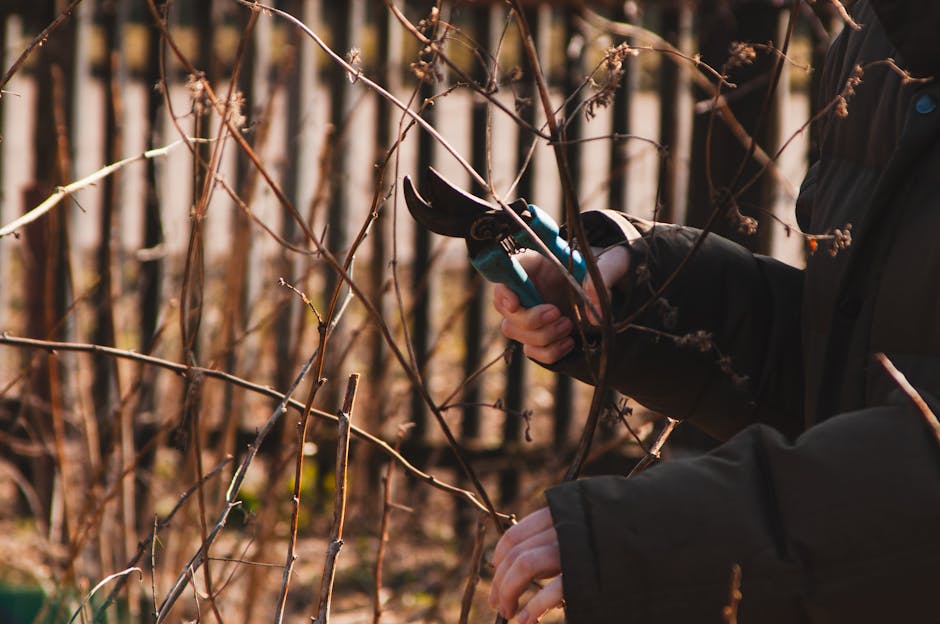
- Use hand tools for precision. Secateurs and hand shears give more control than powered tools on delicate shrubs.
- Cut to a healthy point. Make each cut just above a leaf node or side shoot where new growth can break cleanly.
- Do not flatten the top too soon. A slightly domed shape often sheds water better and looks more natural.
- Keep the base wider than the top on formal shaping. This helps lower growth receive light and avoids bare legs.
- Sanitise tools between plants if disease is suspected. Simple wiping can reduce the risk of spreading problems.
- Watch the weather forecast. Frost immediately after pruning can damage fresh cuts.
- Prune little and often. A light annual or seasonal trim is usually easier than correcting a huge overgrowth later.
A small trick many gardeners use: after a few cuts, stand across the path or lawn and squint slightly. Sounds daft, but it helps you see the shape as a whole instead of getting lost in individual stems. The shrub does not care about your pride.
If the work extends beyond a couple of shrubs and turns into a proper garden overhaul, a professional landscaping plan can help you decide what should be kept, reduced, or removed so the planting actually suits the space.
Common mistakes to avoid
Evergreen shrubs are forgiving in some ways, but repeated pruning errors can leave them thin, woody, or permanently misshapen. A few pitfalls come up again and again.
- Shearing everything the same way: This can create an artificial outline and a dense shell of leaves with little life inside.
- Cutting too hard into old bare wood: Some shrubs will not reshoot well from deep, leafless stems.
- Pruning at the wrong season: You may remove flower buds or expose the plant to stress.
- Ignoring dead wood: Dead stems waste the plant's energy and clutter the shape.
- Leaving narrow, top-heavy forms: These can become unstable and open at the base.
- Using blunt tools: Ragged cuts heal poorly. It is a boring detail, yes, but an important one.
- Trying to fix years of neglect in one go: This is where people get frustrated. Better to reduce gradually and keep the plant healthy.
There is also a psychological mistake: pruning too much because the shrub looks "messy" from one angle. Gardens are living things, not shelving units. A bit of looseness can be a good thing. In fact, sometimes it is the thing that stops the planting from looking overworked.
Tools, resources and recommendations
You do not need a van full of equipment to prune evergreen shrubs well. A few reliable tools are enough.
| Tool | Best use | Why it helps |
|---|---|---|
| Bypass secateurs | Small stems and precise cuts | Clean cuts and good control |
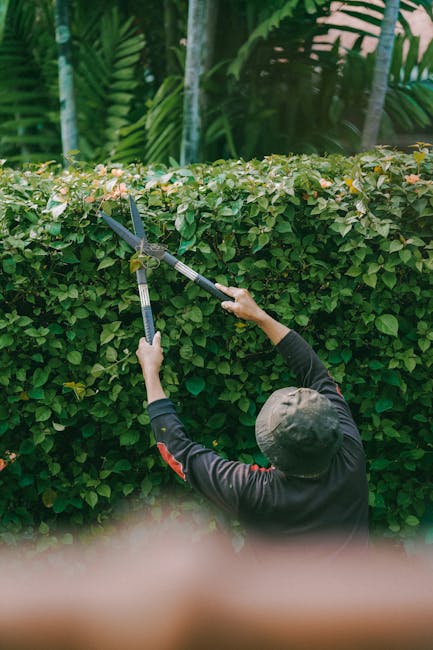
| Hand shears | Light shaping of small shrubs | Useful for tidy, even finishing |
| Loppers | Thicker stems that are awkward for secateurs | More leverage without crushing |
| Pruning saw | Older woody stems | Safer and cleaner than forcing a cut |
| Gloves | Protecting hands | Useful around thorny or sticky foliage |
| Bucket or trug | Collecting clippings | Keeps the job neat and manageable |
Keep blades sharp. Dull blades are the silent villain of pruning. They tear instead of slicing, and that is no good for the plant or your patience. If you are pruning near boundaries, patios, or decorative structures, the tidier the cut, the less mess you leave behind. It is a small professional habit that makes a visible difference.
For larger green waste, or when the garden has become cluttered with cuttings and old growth, a broader tidy-up through recycling and sustainability minded disposal is worth considering, especially if you are trying to keep the job responsible as well as neat.
Law, compliance, standards, or best practice
For most domestic gardeners, pruning evergreen shrubs is a straightforward maintenance task, but good practice still matters. In the UK, you should be mindful of wildlife, neighbouring boundaries, and any local restrictions that may affect hedges, trees, or shared spaces. If a shrub is part of a larger hedge or sits near a boundary, it is wise to avoid heavy work during nesting season if birds are active. You do not need to overcomplicate it; just check carefully before you start.
There are also safety basics that are worth respecting. Wear suitable gloves, stable footwear, and eye protection if you are cutting tougher material or working close to face level. If you are using ladders for taller shrubs, make sure the ground is stable and the ladder is used properly. For awkward, overgrown, or elevated work, many homeowners decide it is simply safer to use a specialist. That is not overcautious. That is sensible.
For properties where maintenance standards need to stay consistent, it can help to use a provider that is clear about its approach to safety and service expectations. A company's health and safety policy and insurance and safety information can give useful reassurance before any larger garden work is arranged.
Options, methods, or comparison table
Different pruning methods suit different shrubs and different levels of ambition. Here is a simple comparison to help you decide what makes sense.
| Method | Best for | Pros | Watch outs |
|---|---|---|---|
| Light tip pruning | Most evergreen shrubs in regular care | Safe, subtle, easy to maintain | Can be too timid for neglected growth |
| Selective thinning | Dense shrubs with congested centres | Improves air flow and natural shape | Takes more judgement |
| Shearing | Formal hedges or very tolerant shrubs | Fast and neat-looking | Can create a hollow outer shell |
| Renovation pruning | Old, overgrown shrubs | Can restore shape over time | Higher risk if done too hard or too late |
In many gardens, the best answer is not a single method but a combination. Light tip pruning for the front, thinning the centre, and a careful reduction on one long stem. Done thoughtfully, it looks natural. Done lazily, it just looks hacked. The difference is usually about restraint.
Case study or real-world example
A front garden we worked on recently had two large evergreen shrubs beside a narrow path. One was a laurel that had become too wide for the entrance, and the other a photinia that had gone leggy on the house side. The owner had been worried that pruning would leave ugly gaps, so the plants had been left for years. By spring, the path felt compressed and the window light was being blocked.
We started by removing dead and crossing stems, then reduced the outer spread in small stages rather than one dramatic cut. The laurel was thinned enough to let light through, and the photinia was reshaped so it kept a softer outline. After the work, the garden did not look bare. It looked calmer. More breathable, if that makes sense. The owner later said the best part was not the neatness, but how much bigger the front step felt. That is often the result with evergreen pruning: the change is more about space and light than drama.
In cases like that, pairing the pruning with a broader tidy or general refresh can help. If the area has overfilled beds, old clippings, or mixed debris, a coordinated visit involving garden maintenance often makes the outcome cleaner and easier to keep that way.
Practical checklist
Use this checklist before you start. It keeps the job steady and stops a rushed decision halfway through.
- Identify the shrub and check how it normally grows
- Choose a mild, dry day
- Sharpen and clean your tools
- Wear gloves and proper footwear
- Remove dead or damaged stems first
- Thin crowded growth where needed
- Make small cuts and step back often
- Keep the base balanced and the top lighter if shaping formally
- Avoid heavy cuts into bare old wood unless you know the shrub will reshoot
- Clear up clippings as you go
- Water carefully after pruning if conditions are dry
- Watch how the shrub responds over the next few weeks
Practical note: if a shrub has clearly outgrown its setting, pruning may solve the symptoms, but not the cause. Sometimes the best long-term fix is repositioning the plant, reducing neighbouring clutter, or redesigning the bed so the shrub can breathe.
Conclusion
Pruning evergreen shrubs like a pro is really about judgement. Not force. Not speed. Just careful observation, small cuts, and a willingness to let the shrub keep its character while improving its shape. Once you understand how the plant responds, the job becomes much less intimidating. You stop guessing and start editing. That is the shift.
Whether you are tidying a compact bay, shaping a leafy laurel, or bringing a neglected border back into line, the same principles apply: prune at the right time, cut with purpose, and keep stepping back to see the whole picture. A good evergreen prune should look almost effortless, even if it took you a thoughtful half hour and a couple of muttered comments to get there. Fair enough.
If your garden needs a fuller refresh beyond shrub pruning, choosing a reliable team for wider work can save time and remove a lot of stress from the process. For service details, practical support, or to talk through what your garden needs next, visit about the team or head straight to contact us.
Get a free quote today and see how much you can save.
Frequently Asked Questions
When is the best time to prune evergreen shrubs?
For many evergreen shrubs, the best time is after flowering or during a mild period when the plant is actively growing but not stressed. Exact timing depends on the species, so it is worth checking how your shrub flowers and grows before making cuts.
How much can I cut off an evergreen shrub?
As a general rule, less is safer. Light trimming and selective thinning are usually better than taking large chunks off. If the shrub is badly overgrown, reduce it gradually over more than one season where possible.
Can I prune evergreen shrubs in winter?
Light pruning may be possible in calm, frost-free weather, but hard pruning in winter can expose fresh cuts to cold damage. It is usually better to wait for a milder period unless the shrub needs only minor tidying.
What is the difference between pruning and trimming?
Pruning usually refers to selective cuts made to improve health, shape, or structure. Trimming is often more about tidying the outer growth and keeping a neat outline. In practice, gardeners often use both approaches together.
Why does my evergreen shrub look bare inside after pruning?
That usually happens when the shrub has been repeatedly sheared on the outside while the inner stems have been left in shade. The outside stays dense, the inside weakens, and the plant starts to hollow out. Selective thinning can help, but prevention is easier.
Should I use hedge trimmers on shrubs?
Sometimes, but not always. Hedge trimmers are useful for formal shaping or large, tolerant shrubs. For more ornamental evergreen shrubs, hand tools usually give better control and a more natural finish.
How do I know if a shrub will regrow after hard pruning?
That depends on the species and how much healthy growth remains. Some shrubs reshoot well from older wood, while others do not. If you are unsure, make smaller cuts first and watch for signs of fresh buds before going further.
Do evergreen shrubs need pruning every year?
Many do benefit from yearly attention, even if it is only a light shape-up. Regular pruning is often easier and kinder than leaving the shrub until it becomes very woody or overgrown.
What should I do with the clippings after pruning?
Small clippings can be collected for compost if they are healthy and not diseased, while larger or woody material may need separate disposal. If you have a lot of waste, garden clearance can make the job far easier.
Can pruning help an evergreen shrub flower better?
Yes, if you prune at the right time and avoid removing next season's flower buds. Many evergreen flowering shrubs respond well to careful post-flowering pruning, which can encourage fresher growth and better bloom potential.
When should I call in a professional?
If the shrub is very tall, awkwardly placed, near a roof or boundary, or badly overgrown, a professional can be the safer choice. It also makes sense if you want the whole garden tidied efficiently rather than tackling one shrub at a time.
Will pruning stop my shrubs from getting too big?
It can slow and manage size, but it is not a magic fix. Good pruning works best alongside sensible plant choice and spacing. If a shrub is simply too large for the location, ongoing cutting will always be a bit of a battle.
Is there a risk of pruning too late in the season?
Yes. Pruning too late can remove flower buds, interrupt new growth, or leave fresh cuts exposed before colder weather. If in doubt, a lighter trim is safer than a late hard cut.
Can pruning evergreen shrubs improve the whole garden design?
Absolutely. Well-shaped evergreens create structure, balance, and sightlines. They can make a small garden feel calmer and a larger garden feel more intentional. Sometimes one good prune changes the feel of the whole place.