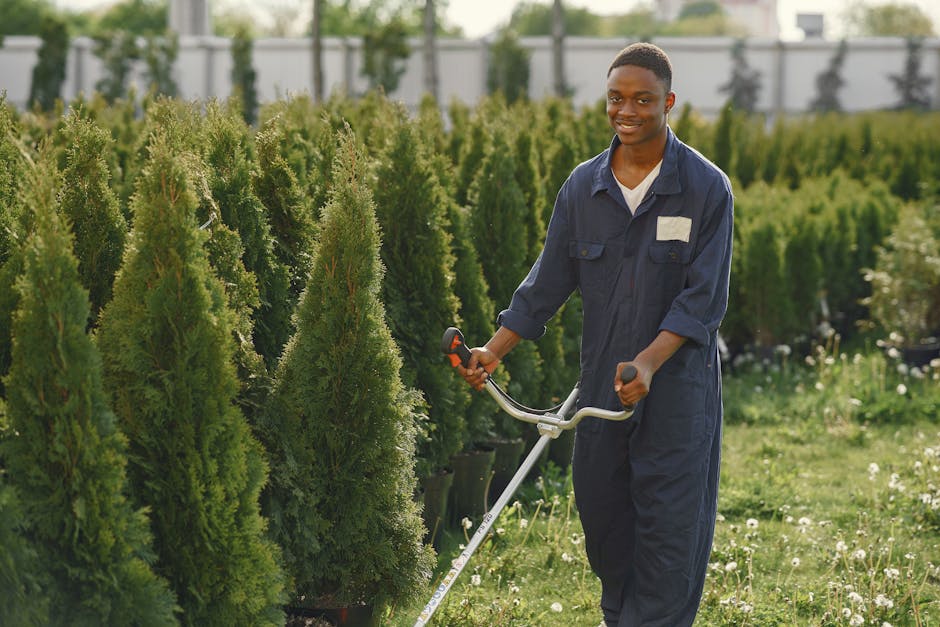
Real cost of hiring gardeners per job across the UK
Trying to work out the real cost of hiring gardeners per job across the UK can feel oddly tricky. One gardener says one price, another gives a day rate, and a third talks about "subject to inspection", which is never exactly comforting. Truth be told, most people just want a straightforward answer: what should this job cost, what changes the price, and how do I avoid paying too much for a simple tidy-up or a bigger garden overhaul?
This guide breaks down the practical side of garden hire costs in plain English. It looks at the most common jobs, the factors that move prices up or down, and the questions worth asking before you book. You'll also find a comparison table, a step-by-step approach, a checklist, and a realistic example so you can budget with more confidence. If you want broader service context too, it can help to look at pricing and quotes and the range of work offered through garden maintenance.
Why Real cost of hiring gardeners per job across the UK Matters
Garden work is one of those services where the headline price can be a bit misleading. A tidy front garden might take less than an hour. A "simple" hedge trim can uncover tangled growth, awkward access, or a surprise amount of green waste. And a clearance job? That can go from manageable to messy very quickly once you see what's actually there.
That is why the real cost matters. Not just the cheapest quote. Not just the biggest company. The real cost includes labour, travel, equipment, waste removal, and sometimes extra time for sorting, loading, or safety precautions. If you only compare the first number you hear, you may end up paying more later through add-ons, repeat visits, or work that wasn't properly done the first time.
This matters across the UK because gardens vary hugely. A small terrace in Birmingham, a suburban lawn in Kent, and a rural property in Northumberland are not going to generate the same labour profile. Access, parking, waste handling, weather, and local demand all affect the final bill. In other words: two gardens that look similar from the gate may cost very different amounts once the job actually starts.
Practical takeaway: the right question is not "How much does a gardener cost?" but "What will this specific job really cost once labour, materials, and waste are included?"
You'll also notice that many homeowners need help for different reasons. Some want regular lawn mowing, others need hedge trimming before nesting season becomes an issue, and some are dealing with a garden that has simply got away from them. For heavier work, services like garden clearance or tree lopping and removal are usually priced very differently from routine maintenance.
How Real cost of hiring gardeners per job across the UK Works
Most gardeners price work in one of four ways: by the hour, by the job, by the day, or by a quoted scope of work. For smaller or repeat tasks, hourly pricing is common. For clearer tasks with a defined outcome, a fixed job price may be offered. More involved jobs, especially where waste, ladders, access issues, or multiple trades are involved, often need an on-site quote.
The price itself usually reflects a few core ingredients:
- Labour time - how long the job genuinely takes, including setup and tidying.
- Equipment use - mowers, strimmers, hedge trimmers, saws, and safety gear.
- Waste removal - bagging, loading, transport, and disposal.
- Access and logistics - parking, carrying tools through the property, narrow gates, or difficult slopes.
- Condition of the garden - routine maintenance costs less than reclaiming an overgrown plot.
- Location - prices may vary between London, commuter areas, cities, and more remote regions.
The "real cost" is also shaped by how clearly the job is defined. A customer asking for "the garden to be sorted out" may receive a cautious quote because that phrase can mean almost anything. A better brief would be: cut the front lawn, trim two hedges, remove weeds from the path, and take away the cuttings. Specificity helps everyone. Less guesswork, fewer surprises.
For a recurring visit, something like lawn mowing tends to be easier to price than one-off work because the routine is predictable. By contrast, a one-time redesign or rebuild may fall under landscape gardening or landscaping, where the scope matters far more than a simple hourly rate.
What tends to push costs up
- Overgrown lawns or hedges that have been left for months.
- Heavy green waste that needs multiple loads.
- Unsafe or awkward access, including steep gardens.
- Jobs that need specialist tools or two-person teams.
- Seasonal demand, especially in spring and early summer.
What tends to keep costs down
- Clear instructions and photos before booking.
- Good access to the garden and waste storage areas.
- Regular maintenance rather than emergency catch-up work.
- Bundling several small tasks into one visit.
Key Benefits and Practical Advantages
Understanding real job-by-job pricing gives you more than budget control. It helps you choose the right kind of service for the problem in front of you. That sounds obvious, but it saves a lot of hassle.
Better budgeting. When you know which jobs usually cost more, you can separate simple upkeep from bigger interventions. A quick mow is one thing; a full seasonal reset is another.
Fewer misunderstandings. Gardeners can only quote accurately when the task is clear. A good brief reduces the awkward "that wasn't included" conversation later. Nobody enjoys that one.
Improved value. A cheap quote can be poor value if it excludes waste removal or leaves the site untidy. A slightly higher fixed price may actually be better if it includes everything.
Safer decisions. Jobs like tree work, high hedge cutting, or heavy clearance are not just gardening tasks; they can involve real safety considerations. In those cases, experience and proper equipment matter.
More appropriate scheduling. A maintenance plan is usually cheaper and less stressful than waiting until the garden becomes unmanageable. Regular visits can also keep the work less disruptive, which is nice on a damp Saturday when you'd rather be drinking tea and ignoring the back fence.
If you're weighing up ongoing upkeep, it's worth looking at routine garden maintenance rather than repeatedly booking one-off rescue jobs. A light, regular service often feels gentler on both the garden and the wallet.
Who This Is For and When It Makes Sense
This topic matters to a lot of people, not just homeowners. Landlords, letting agents, estate managers, and small businesses with outdoor spaces all need to understand how per-job pricing works. So do older homeowners who may need help with physically demanding tasks, and busy families who simply do not have the time to stay on top of everything.
It makes particular sense when:
- you have a one-off job that is easy to describe;
- you need to compare gardeners fairly;
- you're deciding between regular maintenance and a single larger visit;
- you want to understand where a quote is coming from;
- you're planning seasonal work before weather turns the garden into a slog.
For example, if your hedge has become a bit of a monster and is starting to shade out the path, a specialist visit from a service like hedge trimming may make more sense than asking for general gardening help and hoping for the best. Same with rubbish-heavy jobs: if the garden has become cluttered with cut branches, old pots, and debris, garden clearance is usually the more honest starting point.
To be fair, many people only think about gardener pricing when the job has become annoying enough to ignore no longer. That is normal. But even then, a decent quote comparison can stop a rushed decision from becoming an expensive one.
Step-by-Step Guidance
If you want to understand the real cost of a gardening job, start with the job itself, not the rate. That order matters.
- List the exact tasks. Write down what needs doing: mow lawn, remove weeds, trim hedge, clear debris, prune shrubs, remove waste. If you can, split it into front garden, back garden, and side access.
- Take clear photos. Good photos save time. Include wide shots and close-ups, and take them in daylight if possible. Wet grass, shadowed corners, and hidden corners can alter the quote.
- Decide what "done" looks like. Do you want a tidy cut, a deep clean, or a full reset? That distinction changes the price more than people think.
- Ask what is included. Labour only? Waste removal? Green bagging? Stump work? Supply of plants or materials? Ask plainly.
- Check access and parking. If tools and waste need to be carried a long way, that affects time. It sounds small. It isn't.
- Compare like with like. A lower quote may exclude disposal or only cover part of the garden. Compare scope, not just price.
- Confirm timing and finish standard. Is it a one-off, a recurring visit, or a seasonal job? Is edging included? Is the area left swept and tidy?
- Book and review the work. After the visit, check the result before the team leaves if possible. It is far easier to clarify on the spot.
A practical way to think about it: the job description is the budget. The quote just follows it. And yes, that still catches people out now and then.
Expert Tips for Better Results
Here are the things that tend to make the biggest difference in real life.
- Bundle tasks together. If a gardener is already on site, adding a second or third small task can be more efficient than separate visits.
- Use maintenance to control cost. Regular cutting and pruning are usually cheaper than recovering a neglected garden.
- Be honest about condition. Overgrown borders or a hidden pile of cuttings can double the labour time. Better to say it upfront.
- Think seasonally. Spring and early summer bring demand spikes. Autumn can be busy too, especially for leaf clearing and hedge work.
- Ask for a clear finish standard. "Tidy" means different things to different people. One person means "neat"; another means "you could host a garden party now."
- Keep an eye on waste. Green waste is one of the biggest reasons quotes rise after the first conversation.
One small but useful habit: keep a rough note of how long a recurring job takes and what it cost. After two or three visits, patterns appear. That data is more useful than a vague memory of "it seemed expensive".
If safety or access is a concern, especially with ladders, chainsaws, or unstable surfaces, check the provider's approach to insurance and safety and health and safety policy. Proper precautions are not bureaucratic fluff; they protect both sides.
Common Mistakes to Avoid
Most pricing problems come from a handful of avoidable mistakes. Nothing glamorous, just the usual stuff that creates confusion.
- Booking on price alone. A bargain quote can leave out waste, travel, or essential labour time.
- Using vague wording. "Sort the garden out" is not enough to price accurately.
- Forgetting disposal costs. A pile of cuttings looks small until it is bagged, loaded, and carted away.
- Ignoring access issues. Narrow side passages, locked gates, and no parking can add real time.
- Assuming all gardeners do all jobs. Some focus on maintenance, others on clearance, others on landscaping or specialist work.
- Not asking about repeat visits. A one-off quote may look high next to a regular maintenance arrangement.
Another common slip: comparing a handyman-style tidy-up with a proper gardening service. They are not always the same thing. For example, a service dealing with heavier alterations or hard landscaping may belong more to landscaping or even decking services if structural outdoor work is involved. That distinction matters for cost and expectations.
And yes, sometimes the garden is simply bigger than you thought. It happens. The ivy has opinions of its own.
Tools, Resources and Recommendations
You do not need specialist tools to request a proper quote, but a little preparation helps. A phone camera, a simple written list, and a rough sense of urgency are enough for most homeowners.
Useful things to have ready before contacting a gardener:
- photos of each area of the garden;
- a list of tasks in priority order;
- approximate garden size, if you know it;
- notes on access, parking, or shared entrances;
- whether waste needs removing;
- your preferred timeframe;
- any safety concerns, such as broken paving or unstable trees.
If you want a broader sense of service scope, it can also help to review what is covered by lawn mowing, hedge trimming, and tree lopping and removal. These are different job types with different labour, equipment, and safety demands, so the pricing model changes too.
For businesses and landlords in particular, the most useful resource is usually a clear job log. Keep it simple: date, work completed, time spent, and whether waste was removed. It makes future quotes easier and less murky.
Law, Compliance, Standards, or Best Practice
Gardening is not usually a heavily regulated service in the way some trades are, but compliance still matters. Safe practice, proper waste handling, and reasonable care are part of good professional work. If the job involves powered tools, heights, large branches, or potentially hazardous conditions, the provider should work in a way that protects people and property.
Best practice generally includes:
- using suitable PPE and safe working methods;
- checking access and site risks before work begins;
- being transparent about what the quote includes;
- handling green waste responsibly;
- carrying appropriate insurance for the work being done;
- being clear about terms, payment, and cancellations.
For larger clearance jobs, waste handling matters more than people often expect. If branches, soil, or old garden materials need removing, ask how disposal is managed and whether it is included in the quote. If sustainability is important to you, you may also want to ask about recycling and sustainability practices.
Small note, but an important one: when a quote seems unusually low, check whether it reflects the real site conditions or simply a limited scope. A tidy quote is reassuring. A mysterious one is not.
Options, Methods, or Comparison Table
Different gardening jobs suit different pricing methods. Fixed price works well for clear, defined tasks. Hourly pricing can be fair for unpredictable jobs. Day rates are useful for larger or mixed work, especially when the finish depends on what is uncovered during the visit.
| Job type | Best pricing method | Why it suits the job | Watch-outs |
|---|---|---|---|
| Routine lawn care | Fixed or recurring price | Predictable and repeatable | Check edging and waste removal |
| Hedge trimming | Fixed quote or hourly | Depends on size, height, and access | Confirm height work and disposal |
| Garden clearance | On-site quote or day rate | Condition can vary a lot | Waste volume changes the final cost |
| Landscape work | Detailed project quote | Materials and labour need clear scope | Materials, time, and design changes add cost |
| Tree-related work | Specialist quote | Safety and equipment matter | Ask about insurance and qualifications |
In practice, a good quote is the one that matches the job. A fixed price for a simple mow is tidy. A fixed price for a garden that is basically a green jungle can be optimistic at best. Sometimes charmingly optimistic, even.
Case Study or Real-World Example
Imagine a typical semi-detached home with a front lawn, a back garden, and a side path. The owner wants the lawn cut, two medium hedges trimmed, weeds removed from paving, and all cuttings taken away. The garden has not been touched for several weeks, but it is not severely overgrown.
A gardener might quote this as a one-off maintenance visit if the scope is clear. The main cost drivers would be labour time, hedge height, and waste volume. If the owner adds "and can you also clear the shed area and deal with the broken pots?", the price may rise because the job has shifted from maintenance to partial clearance.
Now change just one thing: the hedges are high, the garden backs onto a narrow alley, and there is no easy place to park. Suddenly the quote changes again. Not because anyone is being awkward, but because the work genuinely takes longer and involves more handling.
That is the real lesson. The property itself matters, not just the list of tasks. You can feel the difference in the quote before anyone even picks up a tool.
If the job starts to look like a larger transformation rather than a tidy-up, it may be worth comparing it with landscape gardening rather than treating it as simple maintenance. Different job, different cost logic.
Practical Checklist
Use this before you request a quote or agree to a visit:
- Have I listed every task clearly?
- Have I taken recent photos in good light?
- Do I know whether waste removal is included?
- Is access straightforward, or are there parking or gate issues?
- Have I checked whether the job is maintenance, clearance, or specialist work?
- Do I understand whether the quote is hourly, fixed, or day-rate based?
- Have I asked what "finished" means in practice?
- Have I compared at least two quotes on the same basis?
- Do I know if safety equipment or specialist handling is needed?
- Am I happy with the timing and expected turnaround?
Small jobs often go best when the brief is simple and the expectations are realistic. Bigger jobs go best when the scope is written down. No drama, just clarity.
Conclusion
The real cost of hiring gardeners per job across the UK is never just the number on the first quote. It is the combination of labour, access, waste, job complexity, and the standard of finish you actually want. Once you understand that, pricing becomes much less mysterious.
For many homeowners, the best approach is to describe the job clearly, compare like for like, and choose the option that gives you the cleanest outcome rather than the lowest headline figure. A well-priced garden job should feel calm, straightforward, and finished properly. That is the goal, really.
If you are planning a one-off tidy, regular upkeep, or a bigger outdoor project, taking a few minutes to define the scope can save you both money and stress. And on a wet UK afternoon, that kind of clarity is worth quite a lot.
Get a free quote today and see how much you can save.
Frequently Asked Questions
How do gardeners usually charge per job in the UK?
Gardeners commonly charge by the hour, by the job, by the day, or through a fixed quote for a clearly defined scope. Smaller routine work is often easier to price than overgrown or heavily varied jobs.
What affects the real cost of a garden job the most?
The biggest factors are labour time, access, waste removal, garden condition, and whether specialist tools or safety measures are needed. The more uncertain the job, the more likely the price will move after inspection.
Is a fixed price better than an hourly rate?
Neither is always better. Fixed pricing is useful when the task is clear. Hourly pricing can be fair for unpredictable work. The best choice depends on the job and how well it is defined.
Why do garden clearance jobs cost more than simple maintenance?
Clearance jobs usually involve more waste, more loading, and more time sorting what needs removing. They can also uncover hidden work once the garden is opened up.
Should waste removal be included in the quote?
Ideally, yes, if you want a true all-in price. Waste removal can be a major part of the final cost, especially after hedge cutting, pruning, or clearance.
How can I get a more accurate quote?
Provide clear photos, a list of tasks, notes on access, and whether waste needs taking away. The more specific you are, the less guesswork there is.
Do regular garden maintenance visits cost less overall?
Usually, yes. Regular upkeep tends to prevent heavy overgrowth, which keeps jobs shorter and less labour-intensive. It is often the calmer option too.
Why can two similar gardens have very different prices?
Because appearance can be deceptive. One garden may have easy access and light trimming, while another may have awkward paths, hidden waste, steep slopes, or overgrowth that is harder to manage.
When should I hire a specialist instead of a general gardener?
If the job involves tall trees, heavy clearance, hard landscaping, or structural outdoor features, a specialist may be the better fit. The right service matters as much as the price.
Can I reduce the cost by preparing the garden first?
Yes. Clearing loose items, unlocking access, and sharing clear instructions can reduce wasted time. Even a little preparation can make the job smoother.
Are the cheapest quotes always a bad sign?
Not always, but a very low quote should make you ask what is included. Sometimes the price is lower because the scope is narrower or waste disposal is extra.
What should I ask before booking a gardener?
Ask what the quote includes, whether waste removal is covered, how long the job should take, what finish standard to expect, and whether any extra charges could apply. Straight questions save awkwardness later.