What to expect in a garden maintenance quote for homeowners
If you have ever looked at a garden and thought, "Right, where do I even start?", you are not alone. For many homeowners, the first step is asking for a garden maintenance quote, but the quote itself can feel a bit vague if you are not used to it. What should be included? Why do two quotes look nothing alike? And how do you tell whether you are getting fair value or just a polished number on a page?
This guide breaks down what to expect in a garden maintenance quote for homeowners in plain English. You will learn what good quotes usually include, what affects the price, how professionals calculate the work, and which details matter most before you agree to anything. It is practical, honest, and built to help you compare quotes without second-guessing yourself all afternoon.
In our experience, the best quotes do not just tell you a cost. They show you exactly what you are paying for, what is excluded, and how the garden will be looked after over time. That clarity is worth a lot.
Why What to expect in a garden maintenance quote for homeowners Matters
A garden maintenance quote matters because it sets expectations before a spade ever touches the soil. Homeowners often assume a quote will cover "general upkeep", but that phrase can mean very different things from one provider to another. One gardener may include lawn cutting, hedge trimming, and weeding. Another may only price a one-off tidy-up. A third might be thinking in terms of regular visits, seasonal work, and waste removal.
That sounds obvious, but it is where a lot of frustration starts. A quote that looks cheap can become expensive once extras appear. A quote that looks high may actually be more complete. The detail is the thing.
A good quote also helps you compare like with like. If you want support from a broader service, such as garden maintenance, it should be clear whether the work is routine care, a one-off overhaul, or a mixture of both. For larger clear-outs, you may also need something closer to garden clearance, which is a different kind of job altogether.
Another reason this matters is trust. A homeowner letting someone into their garden wants more than a price. You want to know the work will be done safely, tidily, and with respect for your property. That is especially true if there are trees, elevated areas, sheds, decking, or awkward access points. Gardens are rarely simple. Lovely, yes. Simple, not always.
How What to expect in a garden maintenance quote for homeowners Works
Most quotes follow a fairly similar process, though the level of detail varies. A gardener or landscaping professional will usually assess the size of the garden, the type of work needed, the frequency of visits, and any access or disposal issues. They may ask for photos first, visit in person, or both.
Here is the basic flow:
- You describe the garden and the jobs you need done.
- The provider checks the scope, either from photos, a site visit, or a quick call.
- They estimate labour time, materials, equipment, and waste disposal.
- You receive a written quote or estimate.
- You review inclusions, exclusions, timing, and any terms before accepting.
That seems straightforward, but the details underneath can change the price a lot. A small front garden with weekly mowing is a different proposition from an overgrown back garden with brambles, fallen branches, and a hedge that has decided to behave like a wall. To be fair, the garden usually gives the game away pretty quickly.
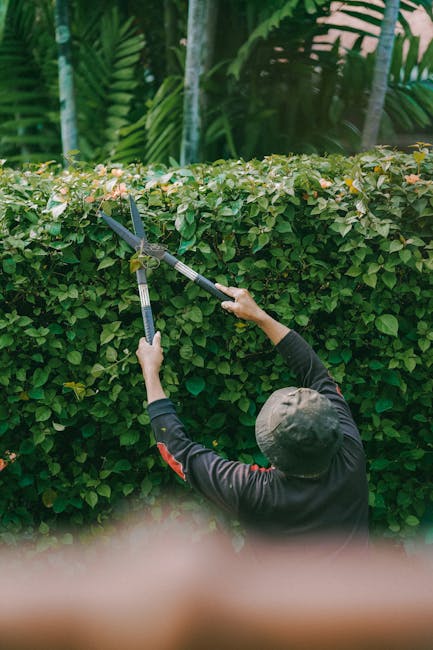
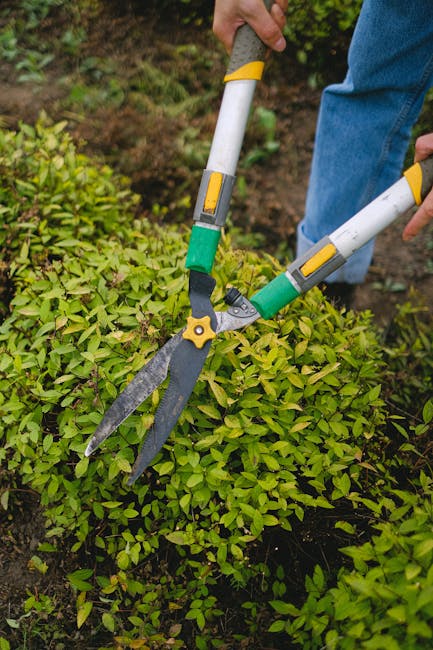
Some homeowners ask for regular maintenance because they want the garden to stay on top of itself. In that case, a quote may cover recurring visits for tasks such as mowing, edging, pruning, weeding, and light waste clearance. If you are looking for repeated grass cutting, a provider may reference lawn mowing as part of the schedule. If hedges are becoming a yearly battle, you may see hedge trimming listed separately.
You may also see notes about seasonal work. Spring and autumn can both bring heavier workloads: growth surges in one direction, leaf fall in another. A decent quote should say whether seasonal visits are included or charged on an ad hoc basis.
Key Benefits and Practical Advantages
There is more to a good quote than pricing. It helps you make better decisions and avoid awkward surprises later. Here are the main advantages homeowners usually notice.
- Clear budgeting: You know the likely cost before any work begins.
- Better comparisons: You can compare services fairly when each quote lists the same tasks.
- Fewer misunderstandings: Scope, frequency, and exclusions are written down.
- Healthier garden upkeep: Regular maintenance often prevents small issues becoming bigger, messier jobs.
- Improved scheduling: You can plan around visits, seasonal growth, and family routines.
- More confidence: Clear documentation tends to signal a more organised, professional service.
There is also a subtle benefit people miss: quotes help you decide how much help you actually need. Some gardens only need a light touch every few weeks. Others need a reset, then a maintenance plan after that. Once you see the work broken down properly, it becomes easier to decide whether you want a one-off tidy, a rolling contract, or something in between.
If your garden includes paving, raised areas, or outdoor structures, you might also be thinking beyond plant care. In some cases, broader outdoor improvement work such as landscaping or landscape gardening may be relevant, especially if the layout itself is part of the problem. Not every quote is only about trimming and sweeping. Sometimes the shape of the garden is what is making maintenance difficult in the first place.
Who This Is For and When It Makes Sense
A garden maintenance quote makes sense for a wide range of homeowners, not just people with large gardens. In fact, smaller spaces can benefit just as much because the mess shows faster and there is less room to ignore it. Funny thing, tiny gardens can sometimes be the most demanding.
This is especially useful if you are:
- new to homeownership and unsure what regular garden care should cost
- managing a garden you do not have time to maintain yourself
- preparing a property for sale, letting, or a family event
- returning from a period of neglect and needing a fresh start
- looking for ongoing maintenance rather than a one-off clean-up
- trying to keep hedges, lawns, and borders under control through the year
It also makes sense after stormy weather, long holidays, winter neglect, or a fast-growing spring spell. Homeowners often wait until the garden feels embarrassing before getting quotes, but that is not necessary. A routine quote can be a preventative tool, not just a rescue plan.
If there are heavy cutbacks, piles of waste, or trees involved, the quote may shift closer to specialist services such as tree lopping and removal. For really tangled, overgrown, or debris-heavy outdoor spaces, a provider may recommend a clearance-first approach before maintenance starts. That way, the ongoing work is realistic rather than frustrating from day one.
Step-by-Step Guidance
If you want a quote that is useful rather than vague, a little preparation goes a long way. Here is the cleanest way to go about it.
1. Walk around the garden first
Look at the garden with fresh eyes. Note what is actually bothering you: the lawn, weeds, overgrown shrubs, messy borders, fallen leaves, blocked access, slippery surfaces, or simply too much to keep up with. Be honest. A quote is only as good as the information you give.
2. Separate routine work from one-off jobs
Try to split the garden into regular tasks and occasional tasks. Routine work might include mowing and edging. One-off jobs might include cutting back shrubs, clearing beds, or removing piles of old growth. This helps the provider quote properly and reduces confusion later.
3. Share photos or arrange a visit
Photos are useful for initial discussions, but they do not always show access issues, slope, hidden waste, or how much material is actually there. If the garden is more complex, an in-person visit is usually better. A quick fifteen-minute look can save a lot of back-and-forth.
4. Ask what is included
This is the big one. Does the quote include labour only, or labour plus waste disposal? Are tools and machinery included? Are clippings removed from site or left in a compost pile? Are there limits on hedge height or waste volume? The clearer the quote, the better.
5. Check timing and frequency
Some quotes assume one visit. Others are built around weekly, fortnightly, or seasonal work. Ask how often the gardener recommends visits and whether the price changes if the garden grows faster than expected. Gardens have a way of changing their mind after a few warm days.
6. Review access and logistics
Think about gates, narrow side passages, parking, water access, power access, and whether the team can reach the back garden easily. If wheelbarrows need to be carried a long way, labour time may increase. Simple enough, but easy to miss.
7. Confirm payment terms
Before agreeing, check how and when payment is due. Some providers ask for payment after completion. Others may use staged payments for larger jobs. You should also know whether VAT is included if relevant, and whether the quote is fixed or estimated.
Asking these questions up front is not being difficult. It is smart. Nobody enjoys the awkward "oh, that was extra" moment when the work is already done.
Expert Tips for Better Results
Here are the small things that often make the biggest difference when reviewing garden maintenance quotes.
- Ask for itemised pricing. Even a simple breakdown helps you see what is driving the total.
- Get clear on waste. Green waste removal can change the cost quite a bit.
- Tell them about problem areas. Hidden ivy, brambles, tree roots, or a steep slope matter.
- Be realistic about condition. If the garden has not been touched in months, say so. No judgment. It happens.
- Match the service to the outcome you want. A tidy garden for a weekend is not the same as a garden you want easy to maintain all year.
- Ask how they protect surfaces. Good providers think about lawns, paving, beds, and any fragile areas.
One practical tip that sounds small but saves hassle: take your own photos after the quote visit, especially if there are agreed details about borders, waste, or awkward access. A quick snapshot of the site can prevent "I thought that was included" conversations later. Not glamorous, but useful.
If the provider is discussing materials, new beds, or a longer transformation rather than simple upkeep, it may be worth asking whether elements of landscaping are being folded in. If decking, patios, or other features are part of the project, you might also see references to decking services. The point is to understand the boundary between maintenance and improvement.
Common Mistakes to Avoid
Most quote problems are avoidable. The usual mistakes are not dramatic, just quietly expensive.
- Choosing on price alone. The cheapest quote may leave out waste removal, return visits, or essential labour time.
- Not checking the scope. "General garden work" is too broad unless it is defined.
- Forgetting about access. A narrow driveway or long carry distance can affect the quote.
- Assuming all hedges or lawns are treated the same. Tall hedges, neglected lawns, and difficult edges often need extra time.
- Ignoring seasonal change. A quote in March may not suit a jungle-like August garden without adjustment.
- Not asking about follow-up. If the job is a one-off, when should the next visit be?
Another common mistake is mixing up clearance and maintenance. If the garden is heavily overgrown, asking for regular maintenance without a reset can be a bit like asking someone to organise a garage before the boxes are moved. They may do it, but it is probably not the right starting point.
There is also a trust issue to consider. A professional quote should feel calm and specific, not rushed or slippery. If the wording is too broad, or if nobody can explain the price in plain language, that is usually your cue to pause.
Tools, Resources and Recommendations
You do not need specialist tools to review a quote properly, but a few simple things help a lot.
- A garden photo set: Take wide shots and close-ups from different angles.
- A basic list of tasks: Mowing, hedge trimming, weeding, pruning, clearing, or seasonal tidy-up.
- A note of problem spots: Slopes, wet ground, dense growth, broken fencing, or hidden debris.
- A pen-and-paper checklist: Handy for comparing quotes side by side.
- A clear schedule preference: Weekly, fortnightly, monthly, or one-off.
If you are comparing a few providers, ask each one to quote against the same scope. That means the same lawn area, the same hedge sections, the same waste expectations, and the same access information. Otherwise you are comparing apples and pears, and nobody has time for that.
You may also want to ask about environmentally responsible disposal and whether the provider has a stance on recycling and sustainability. For many homeowners, this is not the headline issue, but it is a sensible question. Green waste, clippings, and reusable materials should be handled thoughtfully where possible.
For trust and peace of mind, it can also be helpful to review a company's policies on insurance and safety, especially where ladders, cutting equipment, tree work, or awkward access are involved. A quote that sits alongside clear safety standards usually tells you more than the price alone.
Law, Compliance, Standards, or Best Practice
Garden maintenance is not usually a heavily regulated home service in the way some trades are, but there are still sensible standards homeowners should expect. The main thing is safe, responsible work carried out with proper care for property, people, and waste.
Good practice typically includes:
- using equipment appropriately and safely
- protecting the homeowner's property while working
- disposing of waste responsibly
- being clear about limits, exclusions, and price changes
- avoiding unsafe work on unstable trees, fences, or structures without proper assessment
If tree work is involved, extra caution is warranted. That kind of job may need specialist attention rather than general garden upkeep, especially when branches are large, awkwardly placed, or close to buildings. A careful quote should reflect that distinction rather than trying to squeeze everything into one line.
Homeowners should also expect fair treatment around privacy, access, and communication. If you are requesting a quote online or by phone, the company should be clear about how it handles your information. For that, a readable privacy policy and straightforward terms can be reassuring. Not exciting, perhaps, but useful. Very useful.
At a practical level, the best standard is simple: the quote should be clear enough that a reasonable homeowner can understand exactly what is being offered without needing a decoder ring.
Options, Methods, or Comparison Table
Not every garden quote is built the same way. Here is a straightforward comparison of common approaches homeowners are likely to see.
| Quote type | Best for | What it usually includes | Watch out for |
|---|---|---|---|
| One-off tidy-up | Overgrown or neglected gardens | Cutting back, clearing, basic shaping, waste removal if agreed | May not include follow-up maintenance |
| Recurring maintenance | Homeowners who want the garden kept under control | Regular mowing, trimming, weeding, seasonal tidying | Scope can change if growth is faster than expected |
| Seasonal visit | Spring and autumn work | Leaf clearance, pruning, border tidy-ups, general reset | May need to be repeated more often than you think |
| Clearance plus maintenance | Very messy gardens that need a reset first | Removal of debris, heavy cutback, then ongoing upkeep | Usually costs more upfront, but can be more realistic overall |
For some homeowners, the choice is not about which quote is cheapest. It is about which method matches the reality of the garden. If the space has become difficult to manage, starting with clearance can make maintenance far easier afterwards. That is especially true where shrubs have outgrown their space, ivy has spread, or the lawn has turned patchy and uneven.
And yes, some gardens are perfectly fine for light maintenance only. No drama. The trick is matching the service to the garden, not the other way around.
Case Study or Real-World Example
Imagine a homeowner with a medium-sized back garden in suburban London. The lawn is uneven, the hedge has pushed out past the fence line, and the borders are full of weeds after a busy few months. The owner wants the space tidy again but does not want to overpay for work that is not needed.
They ask for two quotes. The first says "general maintenance" with a single total price. The second breaks it down: lawn mowing, hedge trimming, weed removal, border tidy, and green waste disposal. The second quote is slightly higher, but it is also far clearer. The homeowner can see what is covered and can decide whether the waste removal is worth it. In this case, it usually is.
A week later, after the first cut and tidy, the garden feels different straight away. You can hear the mower on the grass, smell the green cuttings, and suddenly the whole place looks calmer. Not perfect, just manageable. That is often the real goal.
Now imagine the same garden had been ignored for another six months. The quote might have shifted from maintenance to clearance, with more time required and more waste to remove. That is the difference timing makes. A garden rarely stays still, even when we want it to.
Practical Checklist
Use this checklist before accepting any garden maintenance quote.
- Do I understand exactly what work is included?
- Are lawn, hedge, weeds, borders, and waste clearly described?
- Is the quote for one visit or ongoing maintenance?
- Have I explained access, parking, and any awkward areas?
- Do I know whether waste removal is included?
- Is the price fixed, estimated, or subject to change if the scope changes?
- Have I compared the quote with at least one other provider, if possible?
- Do I feel comfortable with the communication and clarity so far?
- Have I checked any relevant safety, insurance, or policy information?
- Does the quote match what I actually want the garden to become?
If you can answer yes to most of these, you are in a much better position than simply staring at the bottom line and hoping for the best. Which, let's face it, is how a lot of people end up choosing things.
Conclusion
A good garden maintenance quote should give you clarity, confidence, and a realistic sense of what will happen next. The best ones spell out the work, explain the price, and make it easy to compare options without guesswork. That matters whether you need a light regular tidy, a seasonal reset, or something more involved after months of growth.
For homeowners, the real value is not just the number on the page. It is knowing your garden will be handled properly, safely, and in a way that suits your budget and your schedule. Once you know what to look for, quotes become much easier to read, and much easier to trust.
And if the garden has been stressing you out a bit, that is okay. Most of them do that now and then. The good news is that a clear quote is often the first proper step toward getting it back under control.
Get a free quote today and see how much you can save.
Frequently Asked Questions
What should be included in a garden maintenance quote for homeowners?
A good quote should list the tasks included, such as mowing, hedge trimming, weeding, border tidying, pruning, and waste removal if applicable. It should also explain whether the price covers one-off work or recurring visits. The clearer the scope, the easier it is to compare quotes properly.
Why do two garden maintenance quotes look so different?
They may be pricing different scopes of work. One quote might cover only labour, while another includes waste disposal, equipment, and a fuller service. Differences in access, garden size, and condition can also change the total. That is why itemisation matters so much.
Is a cheaper garden quote always better?
Not necessarily. A cheaper quote may leave out things you actually need, like waste removal or follow-up visits. It may also assume a much lighter workload. The best value is usually the quote that matches your actual garden, not the one with the smallest number.
Should I ask for a site visit before accepting a quote?
If the garden is straightforward, photos may be enough for an initial estimate. But for larger, overgrown, or awkward gardens, a site visit is usually better. It helps the provider spot access issues, hidden waste, and other details that photos can miss.
How often should garden maintenance be done?
That depends on the garden and how much upkeep you want to do yourself. Some homeowners prefer weekly or fortnightly visits, while others only need seasonal work. Fast-growing hedges and lawns usually need more frequent attention than smaller decorative spaces.
What if my garden is badly overgrown?
In that case, the quote may need to be based on garden clearance or a one-off tidy before regular maintenance begins. Overgrown gardens usually take more labour and create more waste, so they are priced differently from routine upkeep.
Do garden maintenance quotes usually include waste removal?
Sometimes yes, sometimes no. You should never assume it is included. Waste removal can affect the price quite a bit, so ask directly whether green waste will be taken away, composted on site, or left for you to dispose of.
What should I ask before hiring a gardener?
Ask what the quote includes, whether the price is fixed, how waste is handled, what happens if the scope changes, and whether there are any insurance or safety considerations. A professional should be able to explain all this in straightforward language.
Can a quote change after the work starts?
Yes, if the actual job turns out to be different from what was originally described. For example, hidden debris, difficult access, or additional overgrowth can increase the time needed. A good provider will explain any changes before continuing.
What is the difference between garden maintenance and landscaping?
Garden maintenance is usually about keeping an existing garden tidy and healthy through regular care. Landscaping is broader and may involve changing the layout, building new features, or redesigning the space. If your quote starts talking about major changes, it may be crossing into landscaping rather than maintenance.
How can I compare garden quotes fairly?
Ask each provider to quote against the same tasks, the same garden areas, and the same expectations about waste and timing. Then compare the detail, not just the total price. A slightly higher quote may actually be better value if it is more complete and realistic.
Should I check insurance before agreeing to a quote?
Yes, especially if the job involves ladders, cutting equipment, tree work, or difficult access. Insurance and safety information can give you peace of mind and shows the provider takes the work seriously. It is one of those unglamorous checks that can save a lot of trouble later.